
First, definitions.
Recall that a motion is an application for an order. Basically, you’re asking a California judge to do something. See CCP § 1003.
Discovery refers to the process in litigation when both parties exchange information by responding to questions or requests for information..
A discovery motion is a motion about discovery.
What are the Types of Discovery Motions?
There are three types of discovery motions:
- Motion to compel discovery (when the other side fails to respond at all)
- Motion to compel further discovery (when the other side fails to adequately respond)
- Motion to deem Requests for Admissions Admitted (when the other side fails to timely respond to your requests for admission)
What is a Motion to Compel Discovery?
It’s a motion you file when the other side fails to provide any discovery responses at all, or fails to serve discovery responses with verifications.
Motion to Compel Interrogatory Responses
CCP § 2030.290(b) is the authority for this motion. Note that subpart (a) indicates that objections are now waived.
There is no meet and confer requirement. And no separate statement is required. See Ca. R. Ct. Rule 3.1345.
Motion to Compel Requests for Production Responses
CCP § 2031.300 is the authority for this motion. Note that subpart (a) indicates that objections are now waived.
There is no meet and confer requirement. And no separate statement is required. See Ca. R. Ct. Rule 3.1345.
What is a Motion to Compel Further Discovery?
Most discovery motions are of this type. File this motion when the other side serves insufficient or evasive discovery responses. This happens a lot.
CCP § 2030.300(b) is the authority for this motion for interrogatories. CCP § 2031.310(a) is the authority for this motion for requests for production.
What is a Motion to Deem Requests for Admissions Admitted?
It’s a motion you file when the other side fails to timely respond to your requests for admissions (RFAs).
CCP § 2033.280(b) is the authority for this motion. Note that subpart (a) indicates that objections are now waived. There is no meet and confer requirement. And no separate statement is required. See Ca. R. Ct. Rule 3.1345.
Questions? Contact Me for a free consultation.

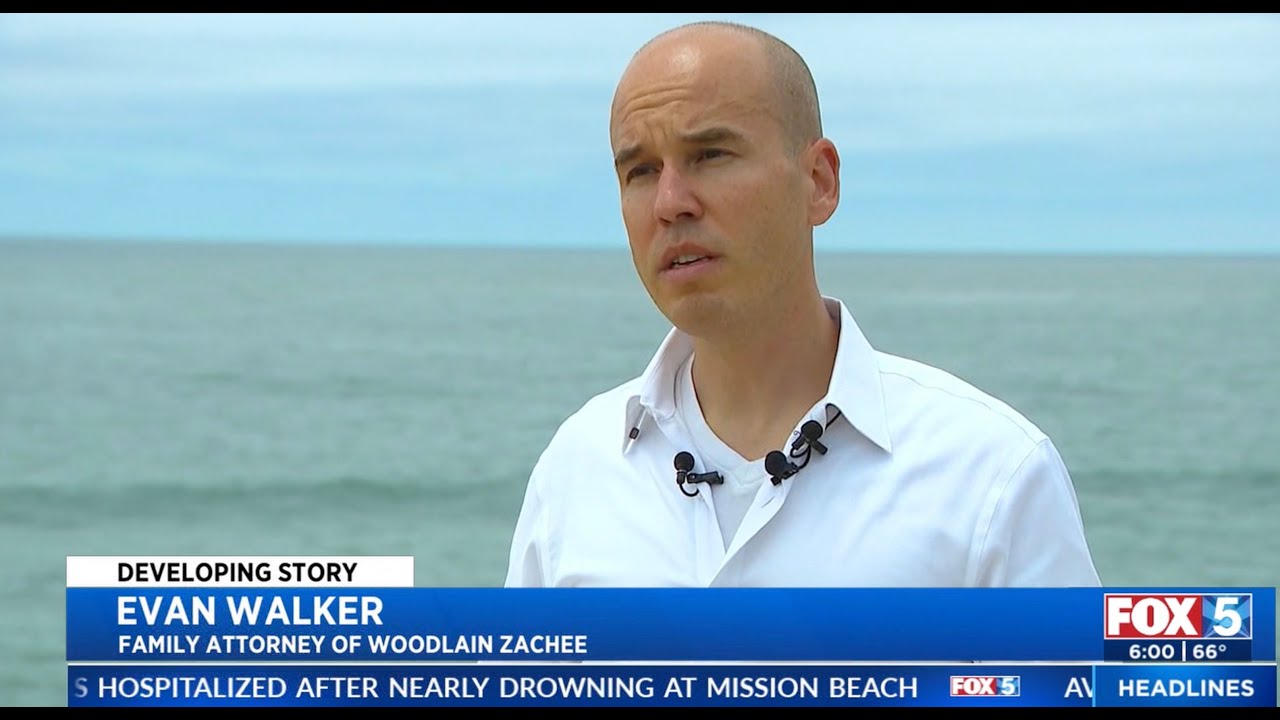
Evan Walker
La Jolla AttorneyEvan W. Walker is a La Jolla attorney who has practiced law since 2008. He has practiced law throughout California, Connecticut, and Louisiana.
Evan worked for and defended insurance companies during the first 7 years of his practice. Since 2015, he has represented people with personal injury and property damage claims and insurance disputes.
Evan's practice is devoted to serious personal injury claims and catastrophic property damage claims. Areas of focus include security claims against bars and other businesses, government tort claims, fire and flood claims, and inverse condemnation. On behalf of clients, Evan has fought insurance firms, international companies, cities, bars, and casinos.
Evan regularly shares his expertise with other attorneys by teaching courses on insurance and inverse condemnation. He has taught several continuing legal education courses to Attorney Credits, a nationwide CLE company, and ProLawCLE, another nationwide CLE company. He also contributes to various podcasts and publications.
Associations:
- Member, State Bar of California
- Member, San Diego Bar Association
- Member, Consumer Attorneys of California
- Member, Consumer Attorneys of San Diego
- Member, La Jolla Bar Association
- Member, La Jolla Village Merchants Association
- Member, San Diego Chamber of Commerce